In the fast-paced world of supply chain management and logistics, warehouse efficiency is directly tied to profitability. As businesses scale, inventory grows, and consumer demands tighten, facility managers constantly look for ways to optimize their operations. One of the most overlooked variables in this equation is spatial architecture. Many businesses assume that when they run out of floor space, it is time to move to a larger, more expensive facility. However, expansion is rarely the most cost-effective first step.
The key to unlocking hidden revenue and maximizing your return on investment (ROI) lies in looking upward, not outward. Utilizing commercial racking systems is one of the most impactful capital investments a facility can make. Here is a comprehensive breakdown of why heavy duty racks are a smart industrial investment that pays dividends for years to come.
Maximizing Vertical Footprint and Reducing Real Estate Costs
The most immediate financial benefit of a robust storage system is the drastic inflation of usable square footage. Real estate is one of the highest overhead costs in logistics. Purchasing or leasing a larger warehouse involves massive upfront capital, increased property taxes, higher utility bills, and the logistical nightmare of moving inventory.
By implementing heavy duty racks, operations can transition from horizontal storage to vertical storage. Most industrial warehouses feature high ceilings that sit completely empty. Capitalizing on this vertical space allows a facility to double or triple its storage capacity within the exact same physical footprint. By avoiding a premature relocation, the savings on lease payments and moving costs alone can completely cover the initial procurement and installation costs of the storage system, yielding an immediate boost to warehouse ROI.
Enhancing Selectivity and Order Fulfillment Speeds
In logistics, time is money. A poorly organized warehouse floor leads to misplaced stock, congested aisles, and excessive travel time for forklift operators. When inventory is stacked directly on the floor or stored on flimsy, unrated shelving, workers must often move multiple items just to access a single pallet buried at the bottom. This process, known as “double handling,” destroys labor efficiency.
High-capacity racking systems drastically improve inventory selectivity. Whether utilizing selective pallet racking, drive-in systems, or push-back configurations, every item receives a designated, easily accessible home. Forklift operators can navigate organized aisles, identify the correct SKU immediately, and retrieve pallets without disturbing surrounding stock. Faster retrieval directly translates to quicker order fulfillment, reduced labor hours per order, and increased customer satisfaction—all of which positively impact the bottom line.
Improving Workplace Safety and Minimizing Liability Costs
Employee safety is a cornerstone of a profitable industrial operation. Warehouse accidents lead to costly workers’ compensation claims, OSHA fines, equipment damage, and devastating downtime. Stacking heavy, bulk materials directly on top of one another on the floor creates an unstable environment prone to tipping and structural collapses.
Investing in certified heavy duty racks provides a engineered, load-rated solution designed to withstand immense weight safely. These systems are built from high-tensile steel and anchored securely to the warehouse floor, minimizing the risk of structural failure. Furthermore, an organized layout keeps aisles clear of debris and loose inventory, reducing forklift collisions. By mitigating workplace hazards, businesses protect their most valuable asset—their workforce—while shielding themselves from the exorbitant legal and operational costs associated with industrial accidents.
Scalability and Adaptability for Future Business Growth
A smart industrial investment must not only solve today’s problems but also anticipate tomorrow’s challenges. Consumer trends shift rapidly, and the inventory a warehouse handles today might look entirely different in five years. Static, inflexible storage solutions can quickly become obsolete, forcing companies to reinvest in entirely new systems.
The beauty of industrial racking lies in its modular and customizable nature. High-quality systems feature adjustable beams that can be raised or lowered to accommodate varying pallet heights and load capacities. If a business decides to shift from a first-in, first-out (FIFO) inventory model to a last-in, first-out (LIFO) model, components can often be reconfigured or expanded upon without scrapping the original infrastructure. This long-term adaptability ensures that the initial capital expenditure continues to drive ROI even as the business model evolves.
Longevity and Resale Value of Industrial Steel
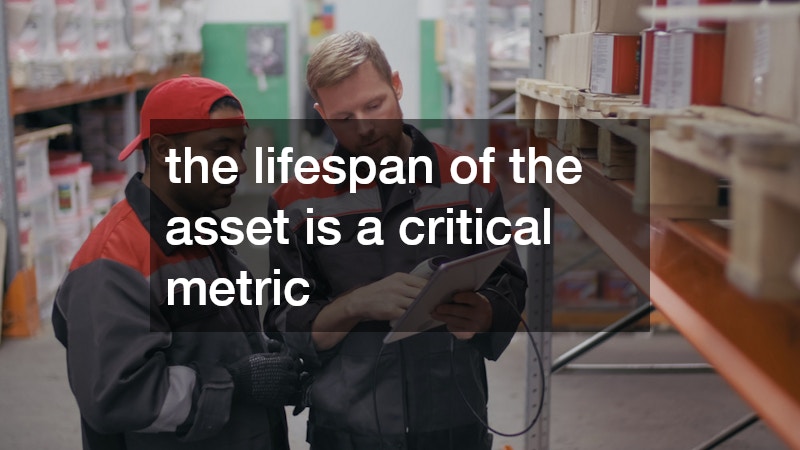
When calculating long-term ROI, the lifespan of the asset is a critical metric. Cheap, lightweight shelving units might look appealing on a budget sheet initially, but they quickly buckle under the daily wear and tear of a busy industrial environment. Frequent replacements and repairs rapidly erase any upfront savings.
In contrast, structural and roll-formed steel racking systems are built to endure decades of heavy use. They resist warping, can handle thousands of pounds per pallet position, and withstand the occasional minor impact from material handling equipment. Because these systems retain their structural integrity for so long, they also command a surprisingly high resale value on the secondary market. Should a business ever need to liquidate or completely overhaul its facility, a significant portion of the initial investment can be recouped by selling the used steel components.
Achieving a high warehouse ROI requires a strategic balance of space optimization, labor efficiency, safety compliance, and asset longevity. While industrial storage systems require a thoughtful upfront financial commitment, the return on that investment is undeniable. By transforming dead vertical space into active revenue-generating storage, streamlining fulfillment workflows, reducing product damage, and creating a safer environment for workers, these systems pay for themselves many times over. For young managers and seasoned executives alike, investing in high-quality structural storage is not just an equipment purchase—it is a fundamental operational strategy for sustainable business growth.