
Creating your own lake or outdoor retreat is one of the most rewarding ways to escape the demands of everyday life. Whether you envision a quiet waterfront hideaway, a weekend basecamp for adventure, or a fully equipped gathering space for friends and family, designing the perfect retreat takes more than just a great location. It requires thoughtful planning, the right equipment, and attention to the details that many people overlook.
From transportation and setup to utilities, storage, and recreation, every piece plays a role in building a functional and enjoyable space. Here’s a comprehensive guide to what you’ll need—and what people often forget—when designing your ideal outdoor retreat.
Choosing the Right Location and Setup Strategy
The foundation of any great retreat starts with choosing the right location. Many people immediately think they need to purchase land, but that’s not always necessary. Starting at a local rv park can give you flexibility while you explore different environments and figure out what works best for your lifestyle. RV parks often provide essential amenities like water hookups, electrical access, and waste disposal systems, making them an excellent starting point. They also allow you to test your setup before committing to something more permanent. Over time, you may transition to private land or a hybrid setup where you rotate between locations depending on the season. Accessibility is another key factor that often gets overlooked. Considering road conditions, distance from supplies, and ease of access year-round can make or break how often you actually use your retreat.
Getting Everything to Your Retreat
Transporting materials, recreational gear, and furnishings to your retreat is often more complicated than expected. This is where truck rental and trailer rental services become essential. Whether you’re hauling furniture, outdoor equipment, or building supplies, having the right setup ensures everything arrives safely. A truck rental is ideal for heavier loads or longer distances, while a trailer rental allows you to increase capacity without owning additional equipment. Many people underestimate how many trips they’ll need, so planning logistics ahead of time can save both time and frustration. If you’re bringing larger items like boats or utility vehicles, proper planning becomes even more important, especially when it comes to weight distribution and safe transport.
Adding Water Access and Outdoor Recreation
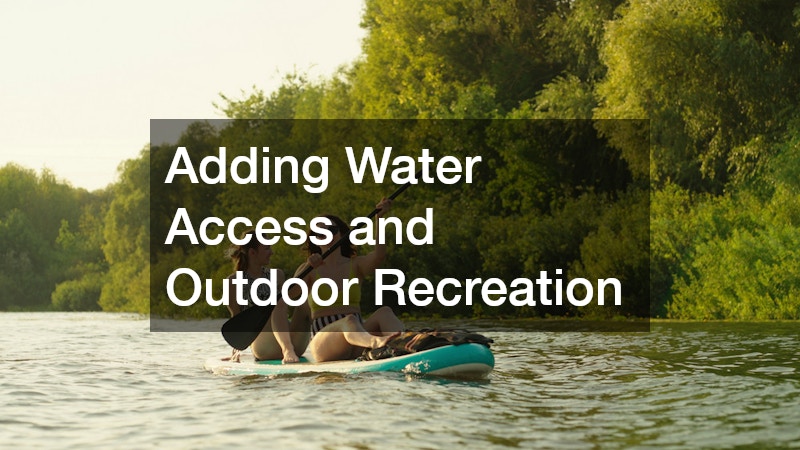
One of the biggest advantages of a lake retreat is access to the water. Working with a trusted boat manufacturer can help you find the right option for your needs, whether you’re focused on fishing, relaxing cruises, or watersports. The right choice depends on your environment, storage space, and how often you plan to use it. Smaller boats are easier to maintain and transport, while larger options provide more comfort and versatility.
It’s also important to think beyond just the type of boat and consider how it will integrate into your overall retreat setup. For example, you’ll need to plan for docking or shoreline access, as well as safe storage when the boat is not in use. Some retreat owners opt for simple launch areas, while others invest in docks or lifts to make access easier and protect their equipment. Maintenance is another factor that often gets overlooked—regular cleaning, engine care, and seasonal preparation all play a role in extending the life of your investment.
In addition, think about how frequently you’ll be using your watercraft and whether it makes sense to keep it on-site year-round or transport it as needed. If space is limited, you may need to coordinate storage solutions or rotate equipment depending on the season. Fueling is another consideration, especially if your retreat is in a remote area. Ensuring you have a reliable system for keeping your boat ready to go can make your time on the water far more enjoyable and stress-free.
Beyond boating, nearby attractions can enhance your retreat experience in ways that go beyond the water itself. Access to local gun ranges, for example, adds another layer of recreation and gives you more ways to enjoy your time outdoors without needing to build everything yourself. Having a variety of activities available keeps your retreat from feeling repetitive and allows you to tailor each visit to your mood, whether that means a quiet day on the lake or a more active, adventure-filled weekend.
Creating a Comfortable Living Space
Comfort is what turns a basic setup into a true retreat. Many people rely on RVs as their main living space, which makes ongoing recreational vehicle repair an essential part of maintaining your setup. Keeping your RV in good condition ensures that your plumbing, electrical systems, and climate control all function properly. Preventative maintenance is often overlooked, but it plays a major role in avoiding costly disruptions. Beyond the RV itself, adding simple upgrades like outdoor seating areas, covered patios, or cooking spaces can dramatically improve your experience. These additions make your retreat feel more permanent and welcoming, especially when hosting friends or family.
Taking comfort a step further means thinking about how your space functions throughout the day and across different seasons. For example, incorporating shaded areas or screened-in enclosures can make a big difference during hot or buggy evenings, while portable heaters or fire features can extend usability into cooler months. Small details like quality outdoor furniture, proper lighting, and durable materials can elevate the overall atmosphere and make your retreat feel less temporary and more like a true home away from home.
Inside your RV, organization and layout also play a key role in comfort. Maximizing storage, upgrading bedding, and improving ventilation can make extended stays much more enjoyable. Many retreat owners invest in small upgrades like better mattresses, blackout curtains, or compact appliances to improve daily living. These enhancements don’t require a full renovation but can significantly impact how comfortable and functional the space feels.
Another often-overlooked aspect is creating separate zones for different activities. Even in a compact setup, having designated areas for cooking, relaxing, and socializing helps prevent the space from feeling cramped. Outdoors, this could mean setting up a dining area separate from a lounge space, or adding a fire pit area for evenings. Indoors, it might involve rearranging furniture or adding multi-purpose pieces that serve more than one function.
Ultimately, comfort comes down to how well your retreat supports the way you want to spend your time. By combining regular maintenance with thoughtful upgrades and intentional design choices, you can transform a simple RV setup into a space that feels relaxing, functional, and inviting every time you arrive.
Powering Your Retreat Efficiently
Power is one of the most commonly underestimated aspects of building an outdoor retreat. If your location doesn’t offer hookups, you’ll need to rely on your own systems. A properly sized fuel tank is critical for running generators, fueling boats, and supporting extended stays. The size and type of fuel storage you need will depend on how often you use your retreat and how long you plan to stay at a time. Many people also explore combining fuel-based power with solar or battery systems to create a more efficient and reliable setup. Proper storage and safety precautions are essential to ensure your system runs smoothly and safely.
It’s also important to think about how your energy needs may change over time. As you add more features to your retreat—such as lighting, appliances, or entertainment systems—your power demand will increase. Planning for future expansion can help you avoid having to upgrade your system later. Load management becomes key, especially if you’re running multiple devices at once. Understanding peak usage times and distributing power accordingly can improve efficiency and prevent system overloads.
Another factor to consider is convenience. Having easy access to refueling options or backup power sources can make a significant difference during longer stays. Weather conditions can also impact your setup, particularly if you’re relying partially on solar energy, so having a dependable fuel-based backup ensures consistency.
Noise and placement are additional considerations that often get overlooked. Generators can be disruptive if placed too close to living or sleeping areas, so positioning them strategically can improve comfort. By carefully planning your power setup with both current and future needs in mind, you can create a system that supports your retreat without interruptions.
Managing Waste and Sanitation
Waste management is another area that often gets overlooked until it becomes a problem. Without proper planning, sanitation issues can quickly disrupt your retreat experience. If you’re not connected to a municipal system, scheduling local septic tank pumping is necessary to keep everything running smoothly. Regular service helps prevent backups, odors, and environmental concerns. The frequency of pumping depends on how often your retreat is used and how many people are visiting. Planning ahead for higher usage during gatherings or peak seasons can help you avoid unexpected issues.
It’s also important to be mindful of what goes into your system. Using septic-safe products and avoiding excess waste or non-biodegradable materials can extend the life of your system and reduce the need for frequent service. Simple habits, like conserving water and spacing out heavy usage, can also make a noticeable difference. Additionally, having a basic understanding of your system’s capacity and layout can help you catch small issues early before they turn into costly repairs, ensuring your retreat remains clean, functional, and stress-free.
Keeping Your Space Organized
As your retreat evolves, you’ll likely accumulate more gear than expected. From outdoor equipment to seasonal items, storage becomes a challenge quickly. A self storage unit can provide a practical solution by giving you space to keep items that aren’t needed all the time. This allows you to rotate gear based on the season and keep your retreat uncluttered. An organized space not only looks better but also functions more efficiently, making it easier to relax and enjoy your time without constantly managing excess items.
Enhancing Entertainment and Social Spaces
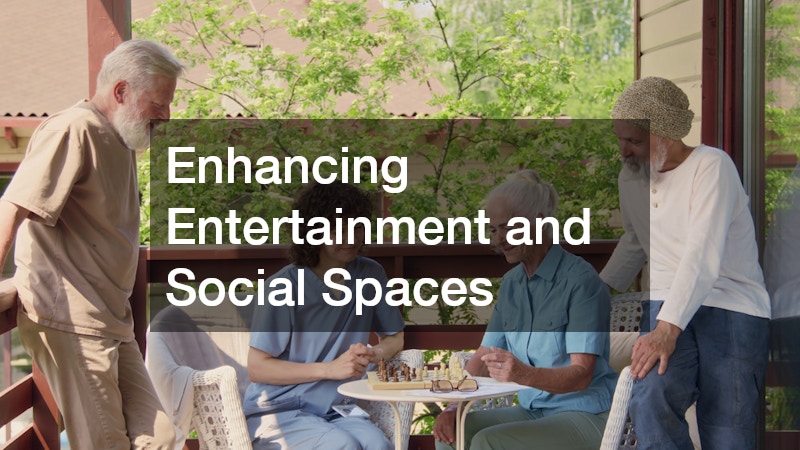
A well-designed retreat isn’t just about quiet relaxation—it’s also about creating a space where people want to gather. Adding entertainment features can elevate your retreat and make it more enjoyable for guests. One option is working with a pool table leasing service to bring indoor recreation into your setup. This is especially useful if you have a cabin or enclosed area where people can gather during evenings or bad weather. Outdoor features like fire pits, grilling areas, and seating spaces also play a big role in creating a welcoming atmosphere. These elements encourage connection and make your retreat feel like a destination.
Planning for Long-Term Flexibility
One of the most important aspects of designing your retreat is thinking ahead. Your needs may change over time, so building flexibility into your setup ensures you can adapt without starting over. Beginning with a mobile or temporary setup, such as staying at a local rv park, allows you to experiment with different layouts and locations. Using rental services for transportation and equipment also gives you the freedom to adjust your approach as your plans evolve. A flexible design makes it easier to grow your retreat over time while minimizing unnecessary costs.
What People Forget Most Often

Even with careful planning, there are several things people consistently overlook. Transportation logistics are often underestimated, making services like truck rental and trailer rental more important than expected. Maintenance is another common blind spot, whether it’s keeping up with recreational vehicle repair or scheduling septic services. Storage needs also grow quickly, and without solutions like a self storage unit, clutter can take over. Power requirements are frequently underestimated as well, which is why having a reliable fuel tank is so important. Finally, recreation is sometimes treated as an afterthought, but incorporating features like boating, access to gun ranges, or indoor entertainment can make a huge difference in how much you enjoy your space.
Bringing It All Together
Designing the perfect lake or outdoor retreat is about more than just finding a beautiful setting. It’s about creating a space that supports your lifestyle, balances comfort with functionality, and evolves with your needs. By planning your transportation, utilities, storage, and recreational features carefully, you can build a retreat that truly works for you. Starting with flexible options and paying attention to the details that others often overlook will help ensure your retreat remains enjoyable for years to come. With the right approach, your outdoor space can become more than just a getaway—it can be a place where you relax, recharge, and create lasting memories.